Schools news: GCSE results data, absence figures, oracy in the curriculum and a new Ofsted complaints route (17 October 2026)
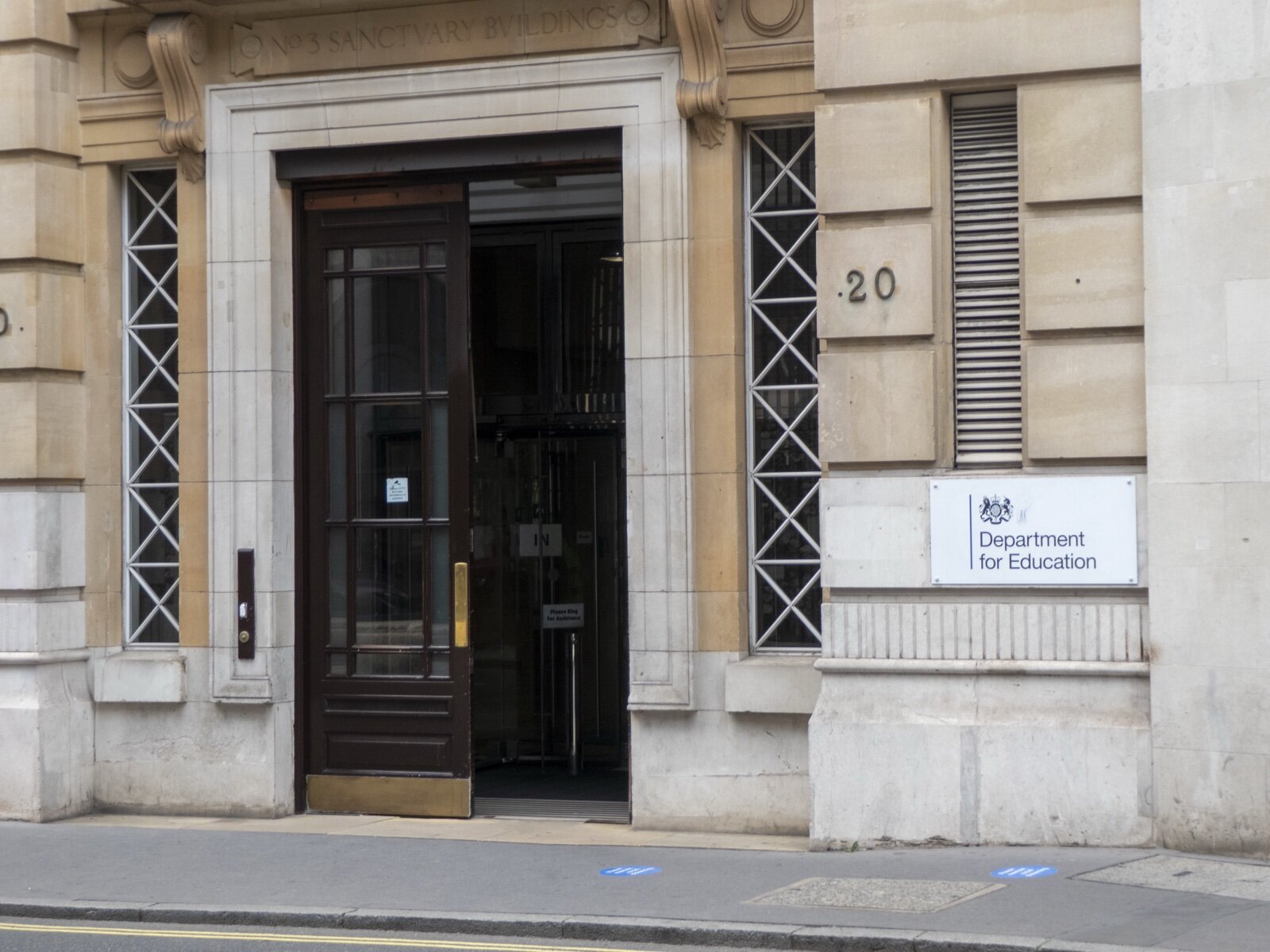
The Department for Education published provisional 2026 GCSE performance figures and the latest absence statistics on 15 October. On the same day the Education Secretary announced that oracy will become part of the English curriculum, and the DfE opened a call for evidence on exclusions. Ofsted, meanwhile, is piloting an independent review that can lead to a school's grades being set aside.
46.3% of pupils got grade 5 or above in English and maths GCSEs in 2026
The Department for Education published provisional key stage 4 results on 15 October 2026. They cover 632,560 pupils at the end of Year 11 in 4,138 state-funded schools. The share of pupils getting a grade 5 or higher in both English and maths rose to 46.3%, up from 45.4% in 2025 and 43.2% in 2019. The average Attainment 8 score was 46.2, against 46.1 last year and 46.7 in 2019.
The gap between disadvantaged pupils and their classmates narrowed, with the gap index falling from 3.92 to 3.82. Where your child goes to school still matters: by local authority, the grade 5 rate ran from 24.5% in Knowsley to 68.1% in Kingston upon Thames. Progress 8 is not published for 2025 or 2026 because these year groups sat no key stage 2 tests during the pandemic, so headline comparisons between schools rest on raw attainment.
The DfE says its Compare school and college performance service will not be updated past 2024/25 and a new service is due this autumn. Until then, school-level 2026 figures sit in the release's table tool, searchable by school name.
Persistent absence edged down to 17.50%, but severe absence rose to 2.32%
Absence figures for the autumn and spring terms of 2025/26, also out on 15 October, show the overall absence rate at 6.60%, down from 6.63% a year earlier but still above the pre-pandemic level, when it was consistently below 5%. 17.50% of pupils were persistently absent (missing 10% or more of sessions), down from 17.63%. The severely absent group, pupils missing half or more of their sessions, grew from 2.26% to 2.32%.
Persistent absence was highest in Year 10, at 24.68%. Illness remains the most common reason, at 3.30% of possible sessions. By council, overall absence ranged from 5.17% in Trafford to 8.20% in Knowsley, leaving aside the City of London, which has a single school.
Oracy to become a strand of the English curriculum alongside reading and writing
Education Secretary Lucy Powell told the Confederation of School Trusts conference on 15 October that oracy (speaking, listening and communicating) will have equal status to reading and writing as a new strand of the English curriculum. She said it will feature in both content and assessment, from primary to GCSE, and that the DfE will work with Ofqual on it as part of the curriculum review.
In the same speech she said she wants an end to the "damaging cycle of repeated resits". She cited a 14% pass rate this summer for GCSE maths resits and said new foundation qualifications are being introduced. The speech gave no start date for either change.
Source: GOV.UK, 15 October 2026.
DfE asks for evidence on internal suspensions and schoolwork for excluded pupils, closing 19 November
A call for evidence on school exclusion reform opened on 15 October and closes at 11:59pm on 19 November 2026. It covers four reforms from the "Every child achieving and thriving" white paper: the use of internal suspension, reintegration support, partnerships after a suspension, and providing schoolwork during the first 5 days of a suspension or permanent exclusion.
The call is aimed at practitioners, researchers and other stakeholders. The DfE says responses will feed into policy and into the statutory framework behind the reforms, so parents whose children have been suspended or excluded can feed in through school leaders, support groups or researchers.
Source: GOV.UK, 15 October 2026.
Ofsted pilots an independent review that can lead to a school's grades being set aside
Ofsted announced on 16 October that state-funded schools unhappy with how it handled a complaint about an inspection will be able to ask a new Independent Complaints Review (ICR) service to look at the case. Unlike the existing adjudication service, ICASO, the ICR can see the original, unredacted inspection evidence and judge whether the outcome was fair and reasonable, including on grades.
If the ICR makes a recommendation about a grading decision, Chief Inspector Sir Martyn Oliver can set aside the published report card and order a new inspection, which could award the same or different grades. The pilot starts shortly, runs through the 2026/27 academic year and covers complaints already open this term.
A week earlier, on 9 October, Ofsted published interim findings from independent research by IFF Research on its new inspections. 81% of providers agreed their report card accurately described what it is like to be a pupil there, but 4 in 10 said the inspection hurt their own or their staff's wellbeing "a fair amount" or "a lot".
Source: Ofsted, 16 October 2026.
Source: Ofsted, 9 October 2026.
What this means for parents
If your child is in Year 6, the national closing date for September 2027 secondary applications is 31 October 2026, and you apply through your home council even for schools in another area. Check your council's page for its exact cut-off time. In Stockton, for example, applications close at midnight, and National Offer Day is Monday 1 March 2027. When comparing schools, the 2026 GCSE figures above are provisional and there is no Progress 8 this year, so look at a school's grade 5 rate and Attainment 8 next to its intake and its latest Ofsted report card.
Source: Stockton-on-Tees Borough Council, read 17 October 2026.