The 'Eton of the East End': How a State Sixth Form is Beating Private Schools at Their Own Game
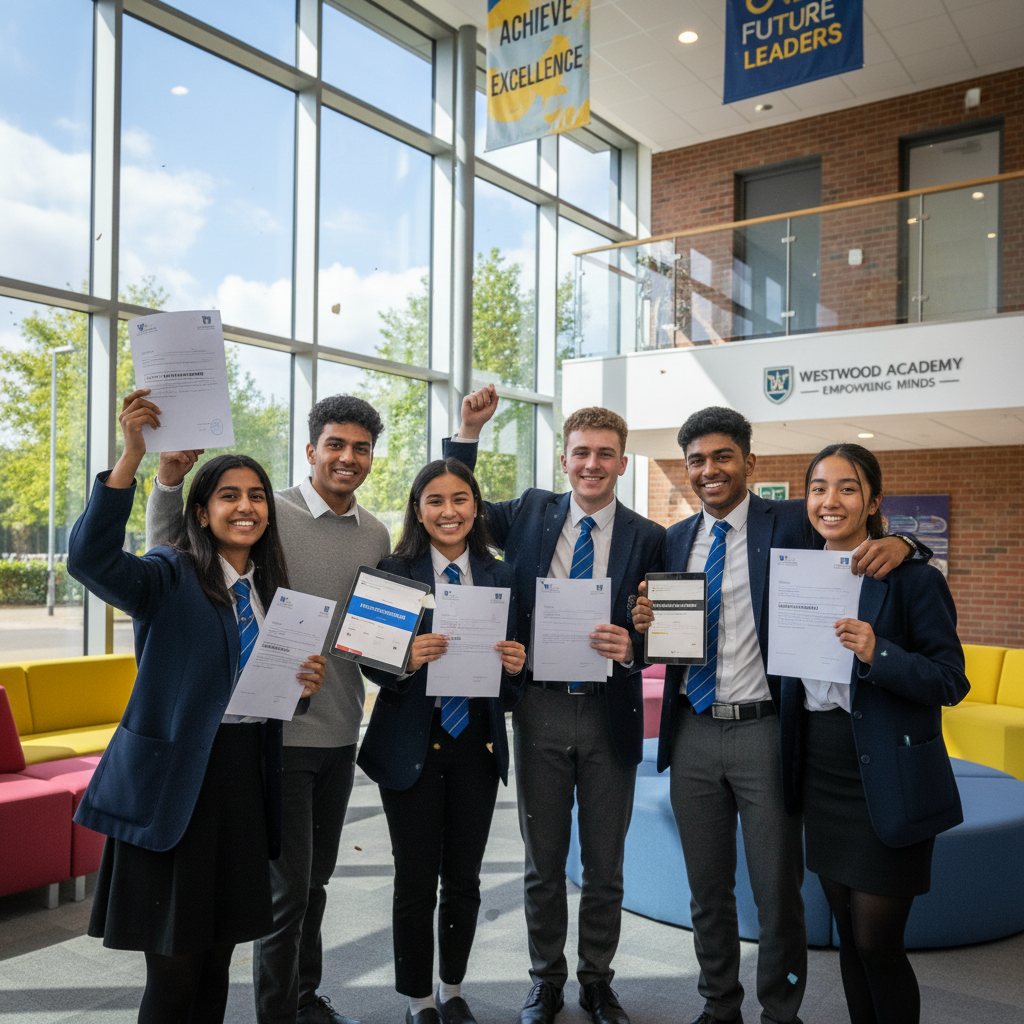
A state sixth form in one of London's most deprived boroughs has achieved something extraordinary: 62 students received offers from Oxford and Cambridge universities this year, matching or beating some of Britain's most expensive private schools.
The London Academy of Excellence (LAE) in Stratford, Newham, secured 23 Oxford offers and 39 Cambridge offers, with an additional four students gaining places on Cambridge foundation courses. To put this in perspective, Westminster School, which charges parents almost £50,000 annually, received 75 Oxbridge offers, while St Paul's School (fees: £36,000) secured 65.
What makes LAE's achievement remarkable is not just the numbers. Half of these successful students come from disadvantaged backgrounds, with eligibility for free school meals, time spent in care, refugee status, or responsibilities as young carers. Around 60% are female, and two thirds will be the first in their families to attend university.
For parents across the country wondering whether state education can truly compete with private schools, LAE's success provides a resounding answer. But what lessons can we learn from this "Eton of the East End," and what does it mean for the wider debate about educational opportunity in Britain?
The LAE Model: What Makes It Work
Founded in 2012 as a state-funded free school sixth form, LAE was established with support from several leading independent schools, including Eton College, specifically to widen access to elite higher education regardless of students' financial backgrounds.
The school maintains rigorous entry requirements. Students must be on track to achieve at least eight GCSEs at grades 9 to 7 (equivalent to A* to A), including a minimum of grade 7 in both maths and English language. This selective approach ensures the school works with academically able students who might otherwise lack the resources to reach their potential.
What sets LAE apart:
Small class sizes and intensive support: Like top private schools, LAE offers small teaching groups and personalised academic mentoring. Students receive the kind of individual attention often reserved for fee-paying institutions.
University preparation from day one: The entire sixth form experience is designed around preparing students for top universities. This includes everything from subject choice guidance to interview preparation, personal statement workshops, and exposure to university life.
Partnership with elite schools: Both Eton College and Brighton College make yearly donations to LAE. Beyond financial support, these partnerships provide access to resources, expertise, and networks that help level the playing field for disadvantaged students.
Focus on disadvantaged students: Rather than avoiding the challenges that come with serving deprived communities, LAE actively embraces them. The school understands that talent is equally distributed, but opportunity is not.
Executive head teacher Alex Crossman told The Times: "What this group of young people have achieved would be extraordinary in any context. The fact that most of them have done so well without the advantages that so many of us take for granted is proof of the untapped potential that exists in our communities."
What This Means for Your Child
If you're a parent of a child currently in Year 9, 10, or 11, LAE's success offers several important lessons, regardless of whether your child could attend this specific school.
Strong GCSEs open doors: LAE's entry requirements demonstrate how crucial GCSE results remain. Eight grades 9 to 7 might sound demanding, but it's achievable for bright, motivated students with proper support. If your child is aiming for top universities, GCSE years are not the time to coast.
State schools can compete: The persistent narrative that you must pay for private education to access Oxford or Cambridge is demonstrably false. State schools with the right approach, resources, and commitment can deliver outcomes that match or exceed expensive private institutions.
Specialist sixth forms exist: While your local school's sixth form might be perfectly good, it's worth investigating specialist state sixth forms in your area. These institutions often punch above their weight precisely because they focus exclusively on A-level students and university preparation.
Location matters less than you think: Students travel to LAE from across London and beyond. If there's an exceptional state sixth form within reasonable commuting distance, don't dismiss it just because it's not your nearest option.
Disadvantage doesn't determine destiny: Perhaps the most inspiring aspect of LAE's success is that half of these Oxbridge offers went to students from disadvantaged backgrounds. If your family faces financial challenges, eligibility for free school meals, or other difficulties, these should not limit your child's ambitions.
The Broader Picture: Social Mobility Through Education
LAE's achievement arrives at a crucial moment in the national conversation about education and opportunity. With private school VAT changes causing controversy and some independent schools closing, questions about state education's capacity to serve all students have never been more relevant.
The school ranks sixth in this year's Sunday Times league tables, a position achieved without selective admissions at age 11, without charging fees, and while actively prioritising disadvantaged students. Over 80% of LAE students progress to Russell Group universities, including Imperial College London and UCL.
This success challenges several common assumptions:
You don't need early selection: Unlike grammar schools that select at age 11, LAE admits students at 16 based on GCSE trajectory. This later selection point means students have more time to develop academically before life-changing decisions are made about their education.
State funding can deliver excellence: LAE operates on state funding plus voluntary donations from partner schools and philanthropists. It proves that with the right model and support, state schools don't need to charge fees to deliver outstanding outcomes.
Diversity strengthens achievement: Rather than academic excellence requiring social homogeneity, LAE demonstrates that diversity of background, combined with shared academic ambition, creates a powerful learning environment.
Practical Steps for Parents
Whether your child is years away from sixth form or currently choosing their options, LAE's model offers practical guidance:
Focus on the fundamentals early: The GCSE requirements for schools like LAE mean that decisions made in Years 9 and 10 matter enormously. Ensure your child takes their GCSE studies seriously, particularly in English and maths.
Research selective state sixth forms: Many areas have state sixth forms with strong track records for university progression. Research options in your region well before your child finishes Year 11.
Don't write off Oxbridge: If your child is academically strong and motivated, encourage them to consider Oxford and Cambridge. LAE's success shows these universities are genuinely accessible to state school students, not just private school pupils.
Look for schools with university partnerships: Schools that have relationships with universities, whether through outreach programmes, summer schools, or formal partnerships, can provide valuable exposure and support for university applications.
Consider travel time vs opportunity: A longer commute to an exceptional sixth form might be worthwhile. Students are older, more independent, and the quality of teaching and university preparation could be transformative.
Challenges and Realism
While LAE's success is inspiring, it's important to acknowledge the full picture. The school is highly selective at entry, admitting students already on track for strong GCSEs. It doesn't claim to transform weak students into Oxford material; rather, it ensures talented students from disadvantaged backgrounds receive the support they need to fulfil their potential.
This selectivity raises important questions about what happens to students who don't meet these entry requirements. LAE serves a vital role, but the education system needs excellent provision across the ability range, not just at the top.
Additionally, LAE benefits from partnerships and donations that many state schools cannot access. While it proves what's possible, scaling this model across the country would require significant investment and structural changes.
Looking Ahead
Principal Alex Crossman's comment that "anyone looking for optimism about Britain's future should look to these students" captures something important. In an education landscape often dominated by concerns about falling standards, teacher shortages, and funding cuts, LAE demonstrates what state education can achieve with the right approach.
For parents, the key message is this: your child's background should not limit their ambitions. Whether you live in Newham or Newcastle, whether you can afford private school fees or rely on free school meals, talent and hard work can open doors to the country's top universities.
The success of these 62 students, many from circumstances that might once have been seen as insurmountable barriers to elite education, proves that potential exists everywhere. The challenge for our education system is ensuring that potential is recognised and nurtured, regardless of postcode or parental income.
What to Do Next
If LAE's success has inspired you to think differently about your child's education:
Talk to your child's current school: Ask about their track record for university progression, particularly to Russell Group and Oxbridge institutions. What support do they offer for top university applications?
Visit specialist sixth forms: Most hold open evenings. Visit several and compare their approaches, results, and the support they offer students from different backgrounds.
Check entry requirements early: If your child is in Year 9 or 10, knowing what grades they'll need for selective sixth forms can help them set clear goals for their GCSEs.
Don't self-select out: Research shows that students from disadvantaged backgrounds often don't apply to top universities because they assume they won't fit in or won't be accepted. LAE's results prove otherwise.
Look at contextual offers: Oxford, Cambridge, and other top universities increasingly consider students' backgrounds when making offers. Being from a disadvantaged area or the first in your family to attend university can work in your child's favour.
The London Academy of Excellence has demonstrated that postcode and parental income need not determine educational destiny. For the 62 students celebrating their Oxbridge offers, and the many more progressing to other top universities, this state school in Stratford has been genuinely life-changing.
The question for parents, policymakers, and educators is simple: if it can be done here, why not everywhere?