Major Changes to School Suspensions: What Parents Need to Know About the New Rules
The way schools handle suspensions is about to change dramatically. Education Secretary Bridget Phillipson has announced sweeping reforms that will keep more suspended pupils in school rather than sending them home, marking the biggest shift in suspension policy in 40 years.
If your child has ever been suspended, or you're concerned about school discipline policies, these changes will directly affect how schools manage behaviour. Here's everything parents need to know about the new suspension rules coming to schools in England.
What's Changing and Why?
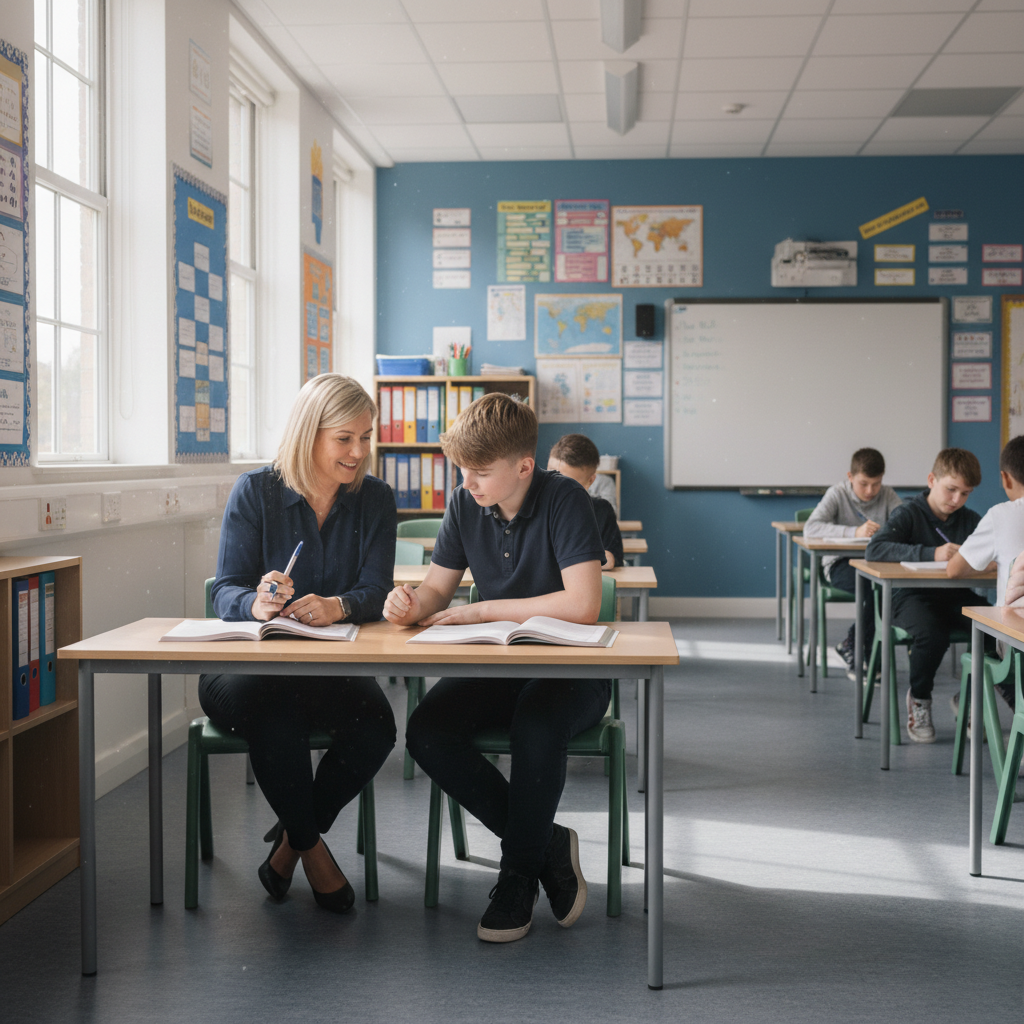
The Department for Education is introducing a new framework that will fundamentally alter how suspensions work. Under the new guidance, pupils suspended for non-violent misbehaviour will no longer automatically be sent home. Instead, they'll serve what's called an "internal suspension" within the school building itself.
The government's reasoning is straightforward. When suspensions were introduced 40 years ago, the world looked very different. There were no smartphones, no social media, and no online gaming. Today, being sent home from school often means unrestricted access to all these distractions, which does little to address the behaviour that led to the suspension in the first place.
"Time at home today can too easily mean children retreating to social media, gaming and the online world," Phillipson explained. She argues this results in "high levels of lost learning" and that suspensions need to be restored as "the serious sanction they should be."
The reforms tie directly into the government's broader phone-free schools policy. Officials point out there's a contradiction in restricting phones in school but then effectively handing pupils unlimited phone access all day when they're suspended at home.
What Are Internal Suspensions?
Internal suspensions aren't entirely new. Many schools already use them, though what they look like varies considerably from school to school. Some schools call them "isolation," "inclusion units," or "reflection rooms."
Under the new framework, the Department for Education will set clearer expectations for what internal suspension should involve. The key principles are that it should be:
Short and structured: Internal suspensions are meant to be brief interventions, not long-term arrangements.
Focused on learning: Pupils should receive meaningful schoolwork, not just generic worksheets. The work should help them keep up with their classes so they don't fall behind.
Supervised properly: Students will be in a separate setting away from other pupils, but under appropriate adult supervision.
Time for reflection: The experience should include opportunities for pupils to understand what they did wrong and how to avoid repeating the behaviour.
Critics of current internal suspension practices point out that in some schools, pupils are simply left in rooms with little supervision and given busy work that doesn't connect to their actual lessons. The new guidance aims to stamp out these inconsistent approaches and ensure internal suspensions are genuinely educational.
When Will Pupils Still Be Sent Home?
This is crucial for parents to understand. The reforms don't mean home suspensions are disappearing entirely. Far from it.
Pupils who engage in the most serious and violent behaviour will still be removed from school. The Department for Education has been clear that violence crosses a line that requires removal from the school environment.
According to the latest statistics, in 2023-24, physical assault against other pupils accounted for 13% of all suspension reasons given, while physical assault against adults made up 6%. These types of incidents will still result in off-site suspensions.
The changes target the majority of suspensions, which are for persistent disruptive behaviour. This category made up more than half (51%) of all suspension reasons in 2023-24. It's these cases that schools will be expected to manage through internal suspension rather than automatically sending children home.
Head teachers will retain full flexibility to decide which form of suspension is appropriate in each situation. The framework provides guidance, not rigid rules that remove professional judgment.
Why Suspensions Have Reached Record Levels
To understand why these reforms are necessary, it helps to grasp the scale of the suspension problem in English schools.
The numbers are stark. In the 2023-24 school year, there were 955,000 suspensions across schools in England. That's a 21% increase from the previous year's 787,000. The suspension rate has climbed from 9.33 per 100 pupils to 11.31 per 100 pupils in just one year.
Perhaps most concerning, the largest percentage rise has been in primary schools. Young children are being suspended at unprecedented rates.
The trend isn't new. Suspensions were rising before the Covid pandemic, but the increase has accelerated significantly since schools fully reopened. Many educators attribute this to a combination of factors including lost learning during lockdowns, reduced access to mental health support, and increased behaviour challenges in younger pupils who missed crucial early years socialisation.
The Lost Learning Problem
One of the government's main concerns is the amount of education pupils miss through suspensions.
When a child is suspended and sent home, they're not just missing lessons that day. Teachers often have to spend significant time helping suspended pupils catch up when they return, taking attention away from other students.
Richard Walkden, a head teacher in Sheffield, puts it simply: "Lost learning is the biggest one. Students get one chance at education in secondary. They've got five years and every day matters."
The Department for Education believes internal suspensions can reduce this lost learning by keeping pupils engaged with their education even while facing disciplinary sanctions. If properly implemented, suspended pupils could continue working through their curriculum in a supervised setting, minimizing the catch-up required when they return to regular classes.
Concerns About Resources and Space
Not everyone is convinced the reforms will work in practice. Education unions and school leaders have raised important questions about implementation.
The most pressing concern is resources. Running effective internal suspension facilities requires dedicated staff, physical space, and appropriate educational materials. Many schools are already stretched thin financially and may struggle to provide high-quality internal suspensions.
Pepe Di'Iasio, general secretary of the Association of School and College Leaders, welcomed greater consistency but stressed the need for "greater investment" and "specialist support." He pointed out that schools currently using internal suspensions are "pulling on the funding that will go into mainstream classes."
Paul Whiteman, general secretary of the school leaders' union NAHT, questioned whether schools have the physical space needed for internal suspensions. Not every school has spare rooms that can be converted into supervision areas.
There's also the question of staffing. Supervising internally suspended pupils requires skilled staff who can manage challenging behaviour, deliver meaningful educational work, and help pupils reflect on their actions. This isn't something any available adult can do effectively.
The government hasn't yet announced specific additional funding to support schools in implementing these changes, which has fueled concerns that schools will be expected to "do more with less" once again.
Special Educational Needs and Suspensions
The statistics reveal a troubling pattern. Pupils with Special Educational Needs and Disabilities (SEND) and those eligible for free school meals have much higher rates of suspensions and permanent exclusions than average.
This creates a particular challenge for the new policy. The Schools White Paper, due next month, will include plans for more children with SEND to be taught in mainstream state schools. This will require greater flexibility on behaviour policies to boost inclusion for children with social and emotional issues.
Marianne Lagrue from Coram Children's Legal Centre highlighted concerns about current isolation practices for SEND pupils. In worst case scenarios, she noted, children are being kept in isolation for months "without being suspended or excluded formally."
Isolation can be particularly difficult for pupils with certain types of SEND. A child with autism, for example, might find isolation extremely distressing, while a child with ADHD might struggle in an unstimulating supervised environment.
The reforms present an opportunity to ensure SEND pupils receive better support rather than simply being isolated. But this will require schools to have access to specialist knowledge and resources, not just physical space.
What This Means for Your Child
As a parent, you're probably wondering how these changes might affect your family.
If your child has never been suspended and generally follows school rules, these reforms may not impact you directly. However, they could improve the overall school environment by ensuring disruptive pupils remain engaged in education rather than missing school days.
If your child has been suspended in the past or struggles with behaviour, internal suspensions could be beneficial. Rather than staying home with access to screens and potentially feeling stigmatized, your child would continue learning in a structured environment with opportunities to reflect and improve.
However, much depends on how your child's school implements internal suspensions. As a parent, you'll want to know:
- Where will internal suspensions take place?
- Who will supervise and support your child?
- What educational work will be provided?
- How will the school help your child understand and address the behaviour that led to the suspension?
- What support will be available when your child returns to mainstream classes?
If your child faces an internal suspension, don't hesitate to ask the school these questions. The new framework is meant to ensure internal suspensions are meaningful and educational, not just punishment.
When Will These Changes Take Effect?
The detailed framework will be included in the government's Schools White Paper, scheduled for publication next month (February 2026). After publication, there will be a consultation period where schools, parents, and education professionals can provide feedback before the final policy is implemented.
This means the changes won't happen overnight. Schools will need time to understand the new expectations, arrange appropriate facilities, train staff, and adjust their behaviour policies.
Parents should expect to hear more from their child's school in the coming months about how the school plans to handle suspensions under the new framework.
The Bigger Picture on Behaviour
These suspension reforms are part of a broader government focus on behaviour in schools. Recent weeks have seen multiple policy announcements including the phone-free schools guidance requiring pupils to be without phones for the entire school day, not just during lessons.
The common thread is a belief that clear, consistent behaviour policies are essential for creating effective learning environments. The government wants suspensions to be serious sanctions that genuinely address poor behaviour, not just days off school that pupils might actually enjoy.
Steve Chalke, founder of the Oasis Charitable Trust that runs more than 50 schools, welcomed the move to "include children rather than exclude them." He also highlighted wider concerns beyond screen time for suspended pupils from disadvantaged backgrounds who might "wander the streets" and face risks of "falling into violence, danger, being groomed, becoming mules in gangs."
This perspective emphasizes that keeping pupils in school isn't just about education, it's also about safeguarding and keeping young people safe.
What Parents Should Do Now
While the policy is still being finalized, there are practical steps parents can take:
Stay informed: Watch for communications from your child's school about their behaviour policy and how they plan to implement the new suspension framework.
Ask questions: If you're unclear about how suspensions work at your child's school, contact them and ask. Schools should be transparent about their behaviour management approaches.
Support positive behaviour at home: Clear expectations and consistent consequences at home reinforce what schools are trying to achieve.
Know your rights: If your child is suspended, you have rights including being informed in writing of the reasons and duration, being told about the school's review process, and being able to make representations to the governing body in certain cases.
Engage with consultation: When the Schools White Paper consultation opens, parents' voices matter. If you have experiences or concerns about how suspensions work, share them through the consultation process.
The suspension reforms represent a significant shift in how schools manage behaviour. Whether they achieve their goals of reducing lost learning while maintaining effective discipline will depend heavily on implementation and resources. As a parent, staying informed and engaged with your child's school will be more important than ever.
Frequently Asked Questions
Will all suspensions now be internal?
No. Only suspensions for non-violent behaviour will be expected to be internal. Serious incidents involving violence will still result in pupils being sent home. Head teachers retain flexibility to decide what's appropriate in each situation.
How long do internal suspensions last?
This varies, but the new guidance emphasizes they should be short, structured interventions. Most internal suspensions are likely to last from one to three days, similar to current home suspension lengths for less serious incidents.
What if my child's school doesn't have space for internal suspensions?
This is a legitimate concern raised by school leaders' unions. Schools will need to find solutions that work for their circumstances, which might include using existing spaces differently or partnering with other nearby schools. The consultation period should provide opportunities for schools to raise practical implementation concerns.
Will this lead to more suspensions overall?
The government hopes the opposite. By making suspensions more meaningful and educational, the aim is to reduce repeat offending and therefore lower the overall suspension rate. However, this outcome will depend on effective implementation.
What about permanent exclusions?
Permanent exclusions remain an option for the most serious cases and will continue to exist under the new framework. These reforms focus on fixed-term suspensions.
Can I appeal an internal suspension?
The appeals process for suspensions remains in place. Parents can make representations to the governing body about any suspension, whether internal or at home, though the governing body is only required to meet for longer suspensions or permanent exclusions.
What if my child has SEND?
The reforms are being introduced alongside plans to include more SEND pupils in mainstream schools. Schools will be expected to consider individual needs when applying behaviour policies. If your child has an Education, Health and Care Plan (EHCP), the school must ensure any disciplinary approach takes their specific needs into account.