Private School Closures Accelerate: What Parents Need to Know About the Independent Education Crisis
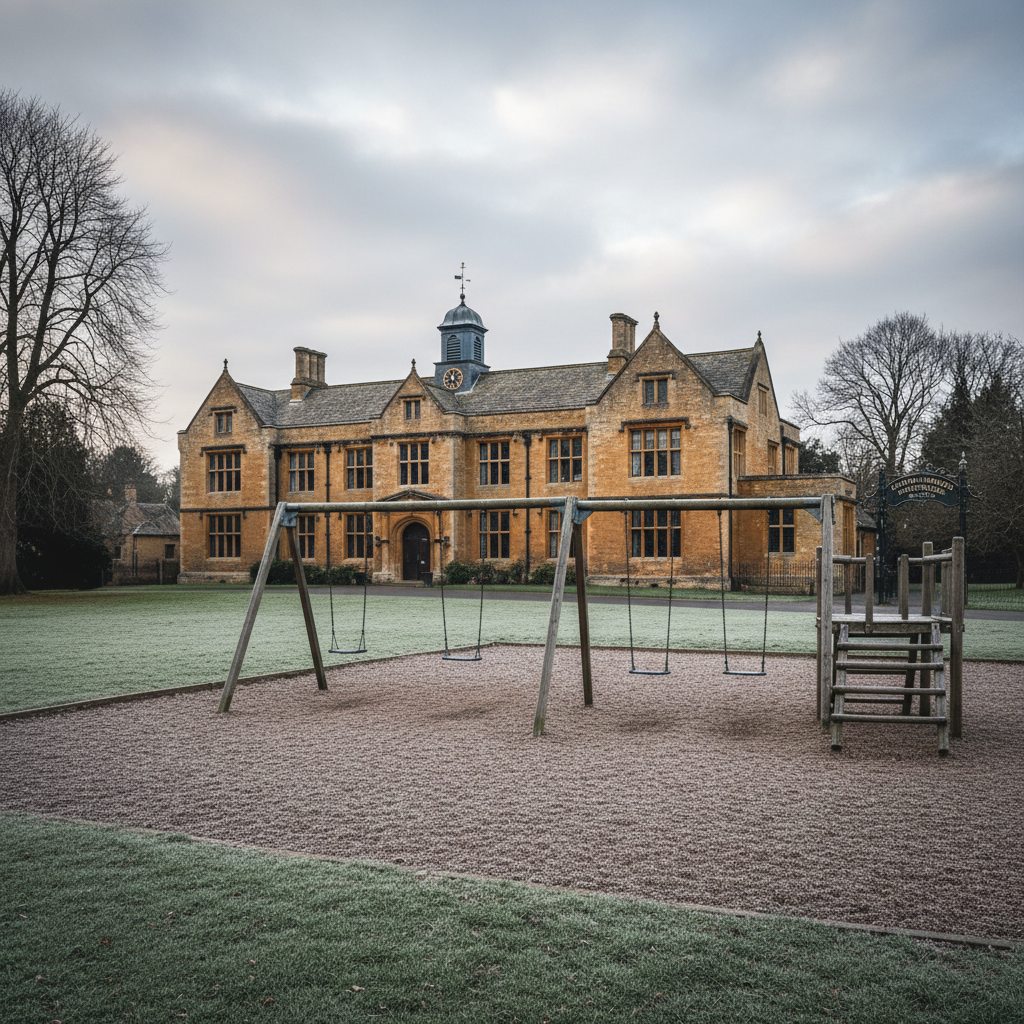
The new year has brought distressing news for hundreds of families across the country as another wave of independent school closures rocks the private education sector. The announcement that Rendcomb College, a prestigious Cotswolds institution with a 106-year history, will close its doors this summer has added to growing concerns among parents about the stability of independent education in Britain.
This latest closure follows a grim pattern that has emerged since the government introduced 20 percent VAT on school fees at the start of 2025. According to Julie Robinson, chief executive of the Independent Schools Council, more than 100 mainstream independent schools have now closed, affecting approximately 25,000 children and their families.
Understanding the Current Crisis
The factors driving school closures extend beyond the headline-grabbing VAT policy, though that measure has undoubtedly accelerated the trend. Schools are grappling with a perfect storm of financial pressures that have made many smaller and medium-sized institutions unviable.
The VAT Impact
When the government announced that private school fees would become subject to VAT from January 2025, schools faced an immediate dilemma. Pass the full 20 percent increase to parents, and risk an exodus of pupils. Absorb some or all of the cost, and watch already tight margins evaporate.
Most schools chose a middle path, passing on a portion of the increase whilst absorbing what they could. For schools already operating on thin margins, this compromise proved unsustainable. The families who might have stretched to afford fees before the VAT increase often found the additional cost pushed private education beyond their reach.
Compounding Pressures
VAT represents just one element of the financial squeeze facing independent schools. The past year has also seen significant increases in employer National Insurance contributions, rising energy costs that have yet to fully normalise following the 2022 spike, and ongoing inflationary pressure on staff salaries and operational costs.
For a school like Rendcomb College, these pressures combined with declining pupil numbers to create an impossible equation. As Nicholas Ford, the school's Chairman of Governors, explained in his letter to parents, the charitable foundation that had supported the school with over seven million pounds across the past decade could no longer sustain the growing deficit.
What the Rendcomb Closure Tells Us
Rendcomb College's closure offers a sobering case study in how quickly a seemingly stable school can become unviable. The school had operated successfully for over a century, maintaining a strong reputation for pastoral care and academic achievement. Its fees, whilst not cheap, were moderate by independent school standards, starting at approximately 3,370 pounds per term for juniors and 8,945 pounds per term for senior boarders.
The school had particular appeal for military families, given its proximity to several bases, and operated a unique admissions programme for children of US service families at nearby RAF Fairford. These niche strengths, however, proved insufficient to overcome the broader financial challenges.
For the 380 children currently at the school, the announcement came as what one parent described as "a total bolt from the blue." Students midway through GCSE courses face particular disruption, needing to transition to new schools whilst maintaining continuity in their examination preparation.
If Your Child's School Closes
Parents facing school closure need to act quickly but thoughtfully. The period between announcement and closure is typically limited, and places at alternative schools fill rapidly as affected families compete for limited spaces.
Immediate Steps
The closing school should provide support in finding alternative provision. Rendcomb has already held discussions with neighbouring schools including Cheltenham College and The King's School Gloucester to facilitate transfers. Take advantage of any organised transition support, as schools in the area often rally to help affected families.
Request a meeting with your child's current teachers to understand their specific academic position. For children in examination years, continuity in teaching approach and curriculum coverage matters enormously. Understanding exactly where they are in their courses helps identify which receiving schools can best accommodate their needs.
Gather all academic records, including predicted grades, progress reports, and any special educational needs documentation. You will need these for applications to alternative schools, and having them organised saves precious time during the application process.
Choosing an Alternative School
The pressure to secure a place quickly should not override the importance of finding the right fit. A poorly matched school can compound the disruption of the closure itself. Consider not just availability but teaching quality, pastoral approach, extracurricular offerings, and practical factors like location and transport.
Visit potential schools in person where possible. The atmosphere and ethos of a school becomes apparent during visits in ways that prospectuses and websites cannot capture. Bring your child to these visits, as their comfort and enthusiasm matters as much as your assessment.
For children with special educational needs or disabilities, ensure any receiving school can genuinely meet their requirements. The closure announcement revealed that over 200 of the students affected across recent closures have special educational needs, making appropriate transition support essential.
Financial Considerations
School closure does not automatically entitle families to fee refunds, though circumstances vary. Review your contract with the closing school carefully, paying attention to notice periods and termination clauses. Some families may be entitled to partial refunds for fees paid in advance.
If you paid fees using a loan or have other financial arrangements tied to the school, contact your lender or financial institution promptly. Early communication allows more time to restructure arrangements if needed.
Consider whether the closure changes your overall approach to education. Some families facing closure have moved children to state schools, either by choice or necessity. If you are considering this option, contact your local authority about school places as early as possible, as popular state schools also have limited availability.
The Broader Picture
The current wave of closures represents a significant reshaping of the independent education landscape. Schools that survive are often those with substantial endowments, prestigious reputations that maintain demand despite price increases, or unique offerings that justify premium fees.
Smaller schools, schools in less affluent areas, and schools serving families who stretched to afford fees are most vulnerable. The Independent Schools Council warns that further closures are likely throughout 2026 and beyond as the full effects of VAT and other financial pressures work through the system.
Impact on State Schools
Each independent school closure increases pressure on the state sector. The government's own impact assessment acknowledged that the VAT policy would result in some movement of pupils into state education, though the projected numbers have proven contentious.
Local authorities are legally required to provide school places for all children in their area, but this does not guarantee places at preferred schools or even schools within reasonable distance. Parents transitioning children from closed independent schools to state provision should prepare for potential challenges in securing appropriate places.
The Political Debate
The government maintains that taxing private education is a matter of fairness, with revenue funding improvements in state schools. Critics argue that the policy is ideologically driven and counterproductive, forcing children into an already stretched state system whilst destroying educational institutions that have served communities for generations.
Shadow Education Minister Saqib Bhatti has described the VAT policy as "an ideological attack on aspiration and on people who work hard to be able to invest in their children's education." The debate shows no signs of resolution, and families affected by closures find themselves caught in the middle of this political disagreement.
Supporting Your Child Through Transition
Beyond the practical challenges of finding a new school, parents must help children process the emotional impact of their school closing. For many children, their school represents stability, friendships, and identity. Losing that anchor can prove genuinely distressing.
Age-Appropriate Communication
How you discuss the closure depends significantly on your child's age. Younger children need simple, reassuring explanations that focus on continuity, emphasising that they will still learn, make friends, and enjoy school activities, just in a different place.
Older children and teenagers can handle more complete information but may experience stronger emotional reactions. They understand the implications more fully and may grieve the loss of friendships, familiar teachers, and anticipated experiences like sixth form or final year traditions.
Maintaining Routines
Where possible, maintain normal routines during the transition period. Continue extracurricular activities, social arrangements, and family patterns. This stability helps children feel secure even as their educational environment changes.
If your child's friendships are primarily school-based, make extra effort to facilitate social contact outside school. The friendships formed during schooling can survive institutional closure if parents help maintain connections.
Watching for Warning Signs
Some children cope with transition more easily than others. Watch for signs of anxiety, withdrawal, or behavioural changes that might indicate your child is struggling. If concerns arise, speak with teachers at both the closing and receiving schools, and consider whether additional support might help.
Looking Ahead
The independent education sector is adapting to new realities, though the adaptation often comes at significant human cost. Schools are merging, restructuring, and finding new operating models. Some are developing hybrid approaches that reduce costs whilst maintaining educational quality.
For parents committed to independent education, the landscape requires more careful navigation than in previous years. Due diligence on school finances has become as important as assessment of educational quality. Questions about endowments, pupil number trends, and financial reserves are now appropriate parts of the school selection process.
The crisis has also prompted renewed interest in alternative educational approaches. Home education, educational cooperatives, and innovative school models are attracting families who feel let down by both state and traditional independent options.
Whatever path your family chooses, remember that children are remarkably adaptable. A school closure, however disruptive in the short term, does not determine your child's long-term educational success. With thoughtful support and careful planning, children can emerge from these transitions ready to thrive in their new educational environments.
Frequently Asked Questions
Can we get a refund on fees already paid if our school closes?
This depends on your contract with the school. Review the terms carefully, particularly around notice periods and fee payment. Some schools offer partial refunds for unused portions of fees paid in advance, but this varies. If you believe you are entitled to a refund that the school is not providing, seek legal advice promptly.
How quickly do we need to find a new school?
Move as quickly as practical whilst maintaining quality in your decision-making. Places at popular schools fill rapidly after closure announcements, so beginning your search immediately gives the widest range of options. However, rushing into an unsuitable school creates its own problems.
Will our child's GCSE or A-level preparation be disrupted?
Some disruption is inevitable, but schools are generally experienced at accommodating students joining mid-course. Ensure the receiving school follows the same exam boards and specifications where possible, and request additional support if your child falls behind during transition.
Should we consider moving to a state school instead?
This is a legitimate option for many families. State schools offer excellent education in many areas, and the transition may prove easier than finding and affording another independent school. Contact your local authority early if considering this option, as popular state schools have limited availability.
What support should the closing school provide?
Closing schools should help families find alternative provision, facilitate academic record transfers, provide references, and support examination entries. They should also maintain educational quality through to the closure date rather than allowing standards to slip once closure is announced.
How can we help siblings who may worry about their own school closing?
Reassure children that each school's situation is different. If you have genuine concerns about a sibling's school stability, research those concerns privately rather than sharing anxiety with children. If the school appears financially stable, share that reassurance appropriately.