Starting Reception: How to Prepare Your Child and What the First Term Brings
Starting reception is the first year of school for most children in England, and it is not quite what many parents expect. Your child will usually start in the September after their fourth birthday, well before they legally have to. They will be taught mostly through play, under the same early years framework as their nursery. Within the first six weeks they will do a short check of early language and maths that has no pass mark, and whose numerical scores are never shared with you or the school. And they will get a free school lunch every day, whatever you earn.
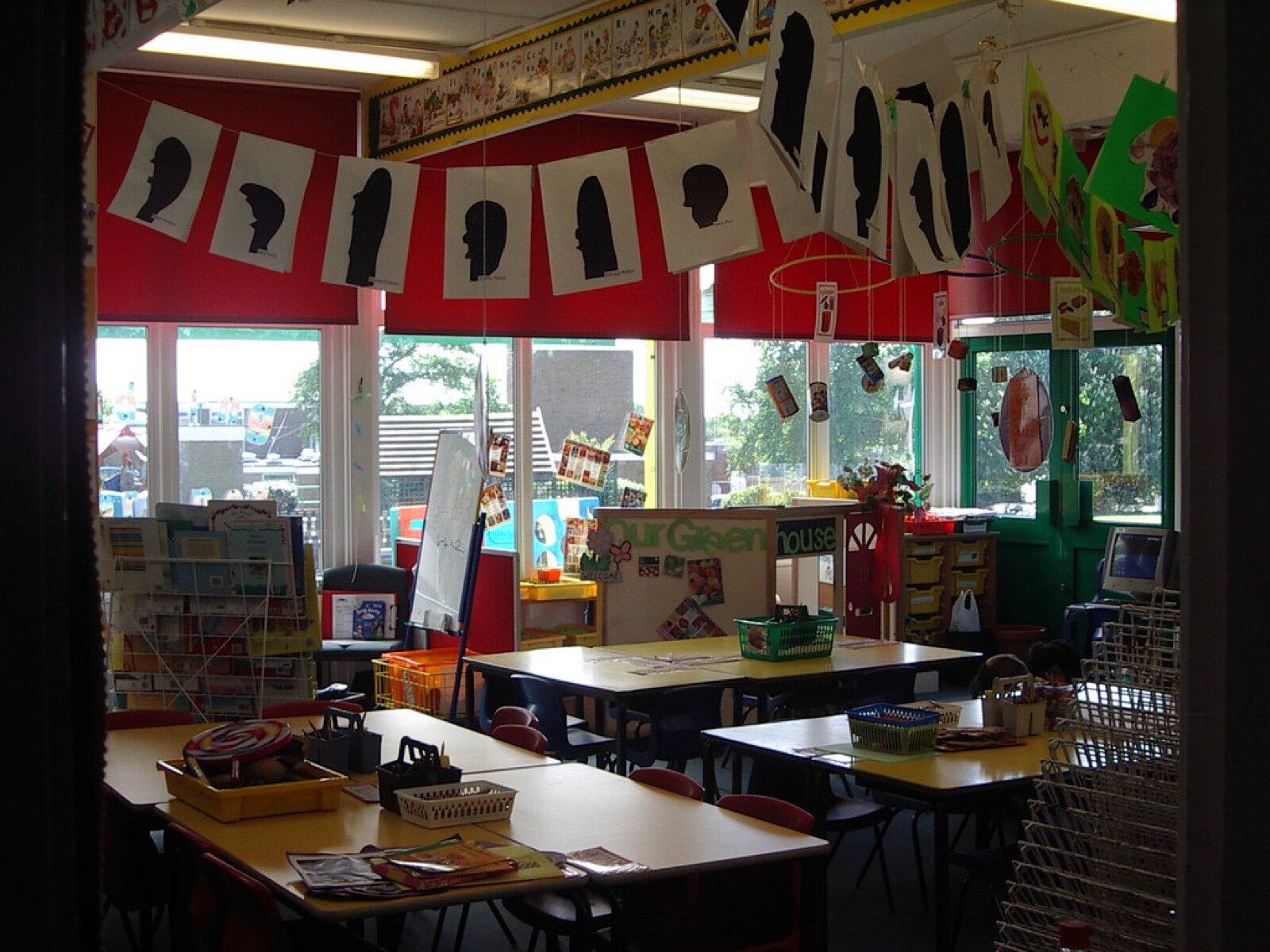
When: most children start reception full time in the September after their fourth birthday.
Legally required: only from compulsory school age, which is 31 December, 31 March or 31 August following the fifth birthday, whichever comes first.
The baseline check: the reception baseline assessment happens within the first 6 weeks. Your child cannot pass or fail it, and the numerical scores are not shared with you or the school.
Lunch: every child in reception, year 1 and year 2 at a government-funded school gets free school meals.
When your child starts, and when they have to
GOV.UK's guidance is simple: most children start reception full time in the September after they turn 4. A child who turns 4 in June will usually start that September. But reception is not compulsory. A child must be in full-time education only once they reach compulsory school age, which is 31 December, 31 March or 31 August following their fifth birthday, whichever comes first, and they start at the beginning of the next term.
That gap gives parents real choices, especially for children born in the summer:
- Part time. Your child can attend part time until they reach compulsory school age.
- Part-way through the year. You can defer the start to later in the reception year, as long as it is before compulsory school age.
- The following September. A child can start in the September after they turn 5. By default they go straight into year 1, and you must ask the council or school if you want them to start in reception instead. They do not have to agree.
Whichever you choose, you still apply for a place at the normal time, by the national closing date of 15 January, and ask for the later start in your application. Our guide to applying for a primary school place walks through the form, and school application deadlines covers the dates.
What reception actually is
Reception is the last year of the early years foundation stage, the EYFS. It is the same framework that nurseries, preschools and childminders follow, and GOV.UK says children in it will mostly be taught through games and play. There are seven areas of learning:
- communication and language
- personal, social and emotional development
- physical development
- literacy
- mathematics
- understanding the world
- expressive arts and design
At the end of the year the class teacher assesses each child against the early learning goals. That assessment is based on observing your child in the classroom; your child will not be tested. In practice, most reception days mix short whole-class sessions, often phonics and number, with long stretches of child-led play indoors and outside.
Reception is also an infant class, which means the law caps it at 30 pupils per qualified teacher. That limit is why popular primary schools turn down applicants who live close by, and why appeals for infant places work differently: see infant class size appeals.
The reception baseline assessment
This is the part that worries parents most, and it deserves the least worry. The reception baseline assessment is a short, interactive and practical check of early literacy, communication, language and mathematics, carried out one-to-one with a teacher within the first six weeks of reception.
The Standards and Testing Agency is direct about what it is for. It creates a starting point to measure how much progress a school helps its pupils make between reception and year 6. It is not about judging or labelling your child. Your child cannot pass or fail. The data, including numerical scores, is not shared with you, your child's teacher, the school or anyone else, and no scores are published at pupil, school or national level. It is used only when the year group reaches the end of year 6. What the teacher does receive is a set of statements describing how your child did. Schools can choose whether to share these with parents as standard, but they must give them to you if you ask.
The official guidance also says you do not need to do anything to prepare your child for it, and that your child is unlikely to even know they are being assessed. Please do not drill a four-year-old for it.
Free school meals for every infant
Every child in reception, year 1 and year 2 at a government-funded school in England gets free school meals, regardless of income. This is universal infant free school meals.
It is still worth telling your council if you receive a qualifying benefit, because the school can get extra funding for your child, the pupil premium, only if you do. From the start of the 2026 to 2027 school year, every household on Universal Credit qualifies for income-related free school meals regardless of income, which our free school meals and Universal Credit guide explains. Registering now also means meals continue without a gap when your child reaches year 3.
How to prepare your child
Teachers are rarely worried about whether a four-year-old can read. What makes the first term easier is independence and confidence. The skills worth practising over the summer and in the first weeks:
- Using the toilet alone, including wiping, flushing and washing hands, and asking an adult for help when needed.
- Dressing and undressing, especially coats, shoes and anything they will change for PE. Velcro shoes save a lot of tears.
- Recognising their own name, because it will be on their peg, drawer, water bottle and every item of uniform.
- Opening a lunchbox and packets, or managing a school-lunch tray, cutlery and a cup.
- Sitting and listening to a short story, and taking turns in a game.
- Saying goodbye. A short, cheerful, consistent drop-off routine works better than a long one.
Label everything. Reception classes are full of identical jumpers, and our guide to school uniform rules and costs covers what schools can require you to buy and where the cheaper options are.
The first term: what to expect
A staggered start. Many schools phase the first days or weeks, with half days, small groups or a home visit before the start. Ask the school for its plan in the summer so you can arrange work around it.
Exhaustion. Children who managed full days at nursery are often still wiped out by October. Early bedtimes, quiet afternoons at weekends and fewer after-school activities in the first half term help.
Phonics and reading books. Most schools begin systematic phonics early in reception, and you may be sent home with a reading book, sometimes one with no words at first. Short, regular reading together matters more than long sessions.
Attendance counts. Once your child is of compulsory school age, the attendance rules and the penalties for unauthorised absence apply in full. Before then the school will still record absence and expect you to tell it. Our guide to school attendance rules explains the details.
Additional needs. If you think your child may need extra help, tell the school before they start, not after the first term. Our guide to SEN support and EHCPs explains the routes.
Frequently Asked Questions
What age do children start reception?
Most start full time in the September after their fourth birthday, so they are 4 when they begin and turn 5 during the year. A child born in June would usually start that September, aged 4 and a few months.
Does my child have to start reception in September?
No. Children only have to be in full-time education once they reach compulsory school age, which is 31 December, 31 March or 31 August following their fifth birthday. Until then they can attend part time or start part-way through the year. You still apply by the normal deadline and ask for the later start.
Can a summer born child start reception at 5?
They can start school in the September after they turn 5, but by default they go into year 1. If you want them to start in reception instead, you must ask the council or the school, and they do not have to agree.
What is the reception baseline assessment?
A short, practical one-to-one check of early literacy, communication, language and maths in the first 6 weeks of reception. It is used to measure a school's progress between reception and year 6. Your child cannot pass or fail, and no numerical scores are shared with parents, teachers or schools, though you can ask for the teacher's written statements.
Are school meals free in reception?
Yes. All children in reception, year 1 and year 2 at government-funded schools in England get free school meals, whatever their family's income. Tell your council if you get a qualifying benefit, as the school can receive extra funding.
Should my child be able to read before starting reception?
No. Reading is taught in reception, usually through phonics. It helps far more if your child can use the toilet independently, put on a coat and shoes, recognise their name and listen to a short story.
Sources
- GOV.UK: school starting age, for the usual September start, part-time and deferred starts, and compulsory school age
- Standards and Testing Agency: reception baseline assessment, information for parents, for the timing, purpose and use of the assessment, the scores not being shared, and parents' right to the narrative statements
- GOV.UK: early years foundation stage, for the seven areas of learning, learning through play and the end-of-year assessment
- GOV.UK: apply for free school meals, for universal infant free school meals and the Universal Credit change from 2026 to 2027
Checked on 17 September 2026. Rules described apply in England; Scotland, Wales and Northern Ireland have their own school starting arrangements. More guides for parents on the Schools Insight homepage.