Sixth Form vs College: How to Choose What Comes After GCSEs
Sixth form vs college is the decision most Year 11 families face in the autumn term, when open evenings start and applications for the following September open. There are three main places to study at 16: a sixth form attached to a school, a standalone sixth form college, and a general further education (FE) college, with apprenticeships as a fourth route. They are all free for 16 to 18 year olds and all inspected by Ofsted, but they feel very different day to day and they offer different courses. This page sets out how each one works, how applications run, the money and transport rules, and the questions worth asking before your child decides.
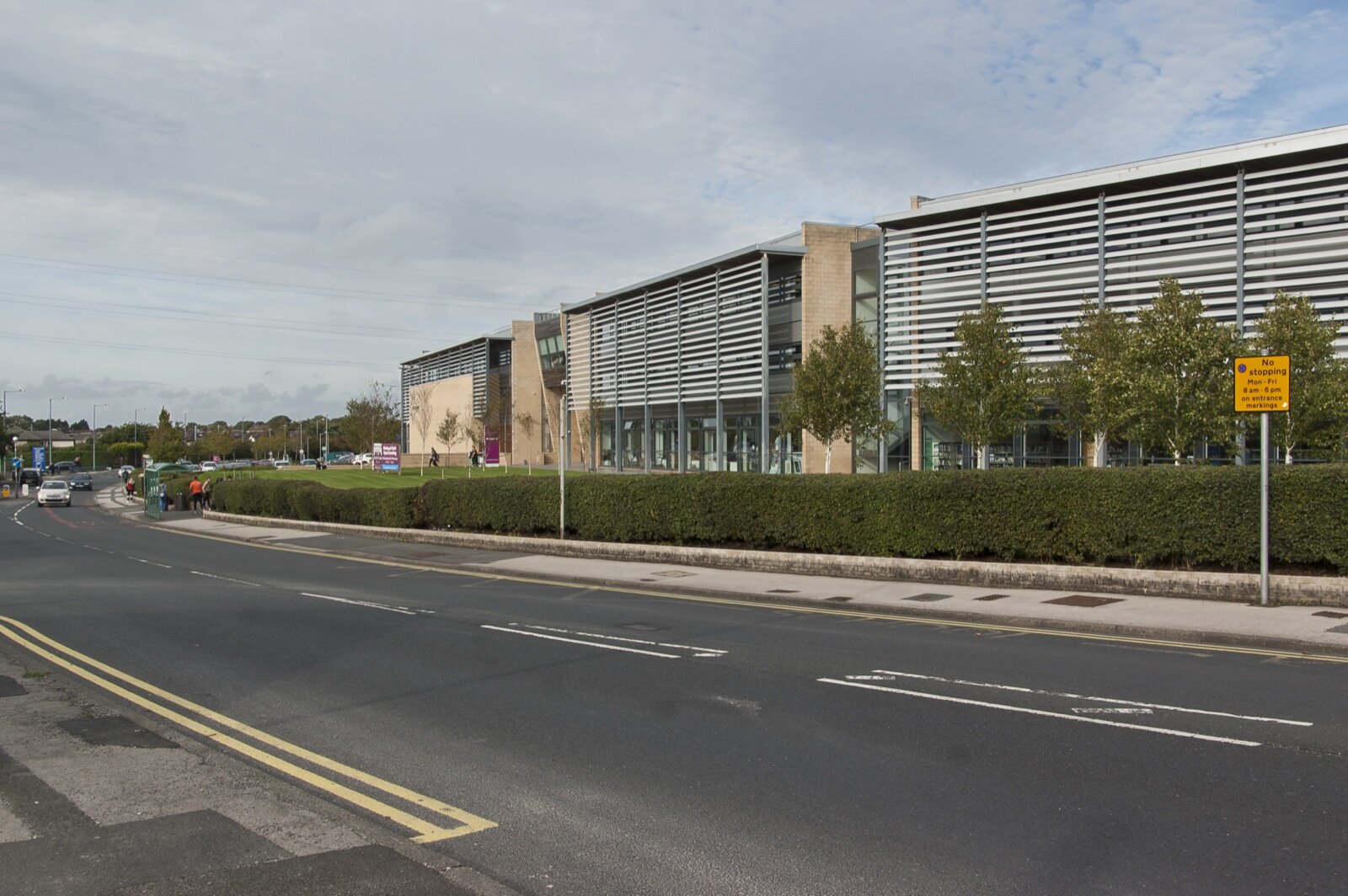

The rule: in England young people must stay in education or training until 18, either full time at a school or college, in an apprenticeship, or working or volunteering 20 hours a week alongside part-time study.
Applying: there is no national deadline. Each sixth form and college runs its own application, so check dates with every place you are considering.
Money: the 16 to 19 Bursary Fund pays up to £1,200 a year to students in vulnerable groups, and colleges award discretionary bursaries on top.
School sixth form or sixth form college?
| School sixth form | Sixth form college | FE college | |
|---|---|---|---|
| Size | Usually small, often a few hundred students or fewer | Often large, with well over a thousand students | Often very large, with adults as well as 16 to 18 year olds |
| Main courses | Mostly A levels, sometimes a few vocational options | A wide A level menu plus vocational courses | Vocational and technical courses, T Levels, apprenticeships, some A levels |
| Feel | Familiar staff and rules, often uniform or a dress code | More independence, first names, no uniform | Most like a workplace, timetables built around practical work |
| Who gets in first | Often existing students, if they meet the entry grades | Applicants from many schools on the same terms | Applicants from many schools; entry levels from entry level up to level 3 |
None of these is better as a rule. A school sixth form suits a student who works well with teachers who already know them and wants continuity. A sixth form college suits a student who wants a wider choice of subjects, a fresh start or a more adult setting. An FE college suits a student who knows the trade or career they want, or who learns best by doing.
How to apply to sixth form or college
Post-16 places do not go through the council like Reception and Year 7 places. You apply directly to each school sixth form or college, and you can apply to several. Most open applications in the autumn of Year 11, and many give earlier interviews or offers to students who apply before Christmas, so it pays to start early. Offers are normally conditional on GCSE results, and each place sets its own entry requirements, often a minimum number of grade 4s or above and a higher grade in any subject you want to take at A level. Results day in August is when those conditions are checked, and colleges usually hold enrolment days straight afterwards.
Students with an education, health and care plan follow a different path: the post-16 placement is named in the plan, and the plan should be reviewed in Year 11 with that move in mind. See our guides to EHC plans and SEND support.
Sixth form open evenings: questions to ask
- Which subject combinations are possible? Timetable blocks can stop two subjects being taken together.
- What are the entry grades for each course, and what happens if a student narrowly misses one?
- How big are the teaching groups in the subjects my child wants?
- What did students go on to do last year, including apprenticeships and jobs, not only university?
- How are GCSE English and maths resits taught if they are needed?
- What support is there for independent study, and how is attendance followed up?
- What bursary and travel help is available, and how do we apply?
Before you go, look up each place's results in the Department for Education's compare school and college performance service, which covers 16 to 18 results and destinations as well as GCSEs, and read its latest Ofsted report. Our guide on how to compare schools explains what the measures mean.
T Levels and V Levels
A levels are the familiar route, but the vocational options are changing. T Levels are two-year technical qualifications, equivalent to three A levels, that include an industry placement of at least 315 hours, roughly 45 days. They are mainly taught in FE colleges and some sixth forms.
The government is also bringing in V Levels as a vocational alternative to A levels, replacing many level 3 BTECs. The first three, in digital, education and early years, and finance and accounting, are due to start in September 2027, with funding for overlapping existing qualifications withdrawn from then. Students in Year 11 now, who start in September 2027, may see V Levels on offer in those subjects; ask each college what it will run.
GCSE English and maths resits
Students who do not get a grade 4 in English or maths at GCSE must keep studying the subject after 16 as a condition of their college's funding. Under the 2026 to 2027 rules, a full-time student with a grade 3 must study towards the GCSE, while a student with a grade 2 or below can take either the GCSE or Functional Skills level 2. This applies in school sixth forms and colleges alike, so ask how the classes fit around the main course.
Money, meals and travel after 16
- Bursaries. The 16 to 19 Bursary Fund pays up to £1,200 a year to students in vulnerable groups, and each school or college runs a discretionary bursary for students who need help with costs such as travel, books, equipment and trips. You apply to the school or college, not the government.
- Free meals. Students from low-income families can get free meals at school sixth forms and colleges; ask the college how to claim. Our page on help with school costs covers the wider support.
- Travel. Free home to school transport does not carry on automatically after 16. Councils publish a post-16 transport policy each year setting out any help with travel, and many colleges subsidise bus passes. Check before you choose a college a long way from home; see free school transport.
A simple way to decide
- List the subjects or career your child is interested in, then check which places actually offer them in a workable combination.
- Visit at least two different types of place, even if your child expects to stay on at school.
- Check the entry grades and apply to more than one, so a near miss in August is not a crisis.
- Work out the journey, the cost of travel and any bursary help.
- Let your child weigh up the feel of each place; at 16 that matters as much as the league table.
For more on choosing well at every stage, go back to the Schools Insight home page.
Frequently Asked Questions
Is sixth form or college better?
Neither is better as a rule. A school sixth form offers continuity and smaller groups; a sixth form college usually has a wider range of A levels and a more adult feel; an FE college suits students who want vocational or technical courses such as T Levels.
When do you apply to sixth form or college?
Usually in the autumn of Year 11. There is no national deadline, so each sixth form and college sets its own dates. Applying before Christmas often means earlier interviews and offers, which are normally conditional on GCSE results.
Do you have to stay in education until 18?
Yes, in England. Young people must stay in full-time education, start an apprenticeship, or work or volunteer for at least 20 hours a week while doing part-time education or training until they are 18.
Do you have to resit GCSE maths and English at college?
If you do not get a grade 4, you must keep studying the subject. Full-time students with a grade 3 must study towards the GCSE; students with a grade 2 or below can take the GCSE or Functional Skills level 2.
Can you get money for going to sixth form or college?
Yes. The 16 to 19 Bursary Fund pays up to £1,200 a year to students in vulnerable groups, and schools and colleges award discretionary bursaries to others who need help with costs. Apply through the school or college.
What are V Levels?
A new vocational qualification equal in size to one A level, replacing many level 3 BTECs. The first three, in digital, education and early years, and finance and accounting, are due to start in September 2027.