Ofsted Ratings Explained: Complete Guide for Parents
When choosing a school for your child, Ofsted ratings often top the list of considerations. But what do these ratings actually mean? How reliable are they? And should they be your only decision-making factor?
This comprehensive guide will help you understand Ofsted ratings, read inspection reports effectively, and make informed decisions about your child's education.
What Is Ofsted?
Ofsted (Office for Standards in Education, Children's Services and Skills) is the independent regulatory body responsible for inspecting schools, colleges, early years providers, and other education and training settings in England.
Their mission is to promote improvement through inspection and regulation, ensuring that children and young people receive high-quality education and care.
Ofsted's Key Responsibilities
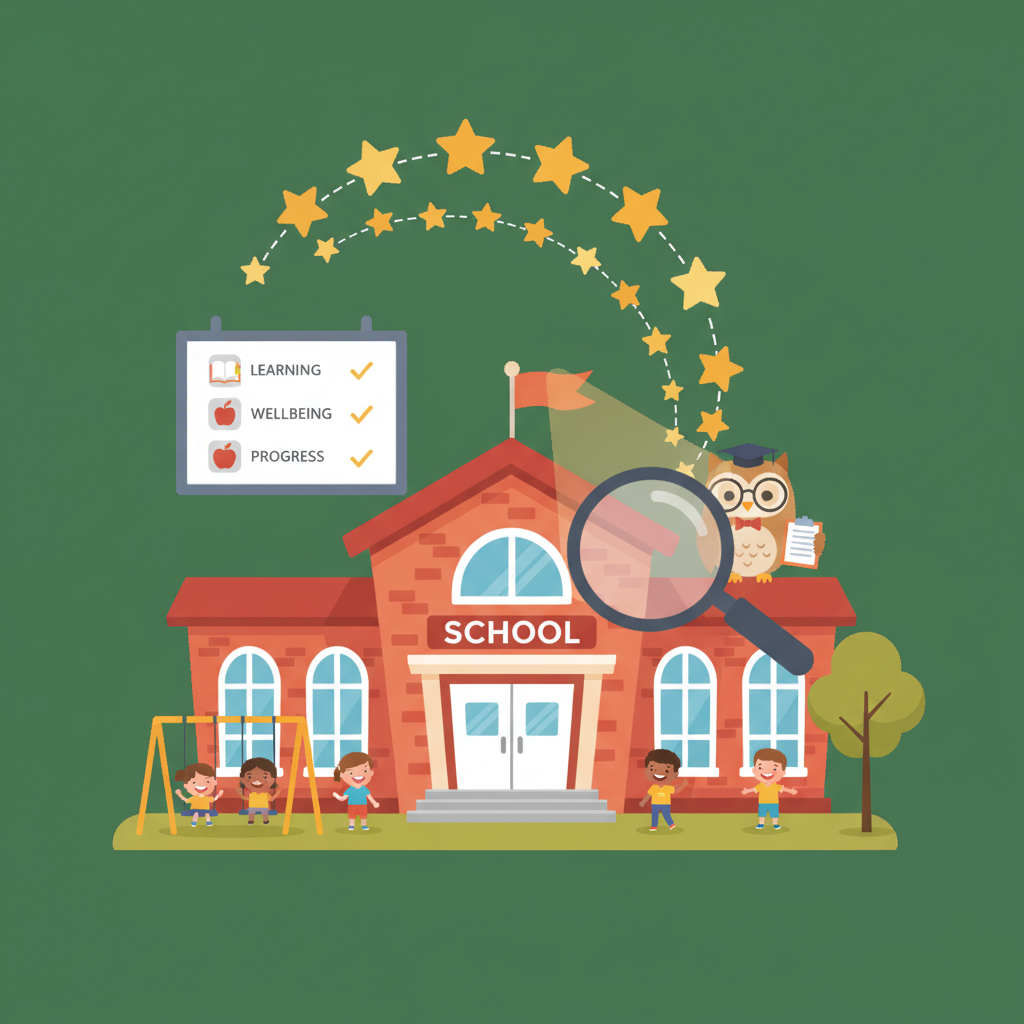
Ofsted inspectors evaluate schools across multiple dimensions, not just exam results. They assess:
- Quality of education provided
- Behaviour and attitudes of pupils
- Personal development opportunities
- Leadership and management effectiveness
- Safeguarding arrangements
These assessments inform the overall rating each school receives.
The Four Ofsted Ratings Explained
Ofsted uses a four-point grading scale for schools. Understanding what each rating means will help you interpret inspection reports more effectively.
1. Outstanding
An Outstanding school provides exceptional education and care. Inspectors find that:
- Pupils achieve exceptionally well, often exceeding expected standards
- Teaching quality is consistently excellent across all subjects
- The curriculum is ambitious, broad, and deeply engaging
- Behaviour is exemplary, with pupils showing respect and enthusiasm
- Leadership demonstrates vision and drives continuous improvement
- Safeguarding is exemplary with a strong culture of protection
Outstanding schools typically show sustained high performance over multiple inspections. These schools often become teaching schools or hubs of excellence that support other schools.
For parents: An Outstanding rating suggests your child will receive high-quality education with excellent teaching and strong pastoral care. However, remember that these schools are often oversubscribed.
2. Good
Good schools provide a solid, reliable education where pupils thrive. The majority of UK schools fall into this category.
Characteristics include:
- Pupils make good progress and achieve well
- Teaching is effective, though may have occasional inconsistencies
- The curriculum meets pupils' needs and interests
- Behaviour is positive, with clear expectations
- Leadership is effective and promotes improvement
- Safeguarding meets requirements
Good schools demonstrate clear strengths and are constantly working to improve. Many schools rated Good are on an upward trajectory toward Outstanding.
For parents: A Good rating indicates a school where your child will receive quality education in a positive environment. Don't overlook these schools, they often provide excellent outcomes and may offer less competitive admissions than Outstanding schools.
3. Requires Improvement
This rating indicates that a school is not yet Good but is not failing. It's essentially a "warning" rating.
Typical findings include:
- Pupil outcomes are acceptable but could be better
- Teaching quality is variable across classes or subjects
- Some aspects of leadership need strengthening
- The curriculum has gaps or lacks ambition
- Behaviour is acceptable but inconsistent
Schools rated Requires Improvement typically receive more frequent monitoring visits. They must demonstrate clear progress toward becoming Good or risk being downgraded.
For parents: This rating doesn't necessarily mean avoid the school entirely. Look at the specific areas flagged for improvement and consider whether these affect your child's needs. Some schools improve rapidly with new leadership or additional support.
4. Inadequate
An Inadequate rating means the school is failing to provide an acceptable standard of education or has serious safeguarding concerns.
This rating is given when:
- Pupils' outcomes are significantly below expectations
- Teaching is poor across the school
- Behaviour may be a concern
- Leadership is ineffective
- Safeguarding may not be effective
Inadequate schools receive intensive support and monitoring. They may be placed in "special measures" or receive a "serious weaknesses" notice, requiring swift action to improve.
For parents: If your child's school receives an Inadequate rating, the school will be working intensively to improve. You'll have the right to apply for places at other schools if you wish to move your child.
How Often Are Schools Inspected?
Inspection frequency depends on the school's current rating:
- Outstanding schools: May not be inspected for many years under the current framework. However, Ofsted is gradually reintroducing routine inspections of Outstanding schools.
- Good schools: Typically inspected every four years.
- Requires Improvement schools: Re-inspected within two years, with monitoring visits in between.
- Inadequate schools: Receive frequent monitoring visits and must be re-inspected within two years.
Schools can also receive unannounced "no notice" inspections if concerns are raised about standards, safeguarding, or significant changes in circumstances.
How to Read an Ofsted Report
Ofsted reports follow a standard structure. Here's how to navigate them effectively:
1. Overall Effectiveness
This is the headline rating, but don't stop here. Read the detail beneath to understand the full picture.
2. Key Findings
This section summarizes the school's main strengths and areas for improvement. It provides quick insight into what the school does well and where it needs work.
3. Quality of Education
This is often the most important section for parents. It covers:
- Intent: What the school teaches and why
- Implementation: How well the curriculum is delivered
- Impact: What pupils learn and remember
Look for evidence of an ambitious, well-sequenced curriculum and effective teaching practices.
4. Behaviour and Attitudes
This section examines:
- Pupil behaviour in lessons and around school
- Attitudes to learning
- Attendance rates
- How well the school manages behaviour
Strong behaviour and attitudes are essential for effective learning.
5. Personal Development
This covers the broader education beyond academic subjects:
- Character education and values
- Extra-curricular opportunities
- Preparation for life in modern Britain
- Support for physical and mental health
Look for schools that prioritize well-rounded development, not just exam results.
6. Leadership and Management
This assesses:
- The effectiveness of school leaders and governors
- How well the school uses resources
- Staff workload and wellbeing
- Vision and ambition for the school
Strong leadership typically drives school improvement and creates positive culture.
7. Safeguarding
This section confirms whether safeguarding arrangements are effective. This is non-negotiable, all schools must have robust safeguarding practices.
What Inspectors Actually Look For
Understanding the inspection process helps you interpret findings:
Before the Inspection
Inspectors review:
- Previous inspection reports
- School performance data
- Safeguarding and attendance records
- Published information about the school
- Any complaints or concerns raised
During the Inspection
Inspectors spend 1-3 days in the school (depending on size), conducting:
- Lesson observations: Watching teaching across different year groups and subjects
- Work scrutiny: Examining pupils' books and completed work
- Interviews with pupils: Talking to students about their experiences
- Staff discussions: Meeting with teachers and support staff
- Leadership meetings: Speaking with senior leaders and governors
- Parent feedback: Considering parent survey responses
- Document review: Checking policies, safeguarding records, and curriculum plans
The "Deep Dive" Approach
Since 2019, inspections include "deep dives" into specific subjects. Inspectors thoroughly examine how subjects are taught, what pupils learn, and how well they remember content over time.
This approach provides more detailed insight into curriculum quality than previous inspection methods.
Common Misconceptions About Ofsted Ratings
Misconception 1: Outstanding Schools Are Always Best
While Outstanding schools provide excellent education, a Good school might be better suited to your child's needs. Consider factors like:
- School ethos and values
- Distance from home
- Class sizes
- Specialist provision
- Extra-curricular activities
Misconception 2: Ratings Never Change
School quality can change significantly between inspections. New leadership, staffing changes, or demographic shifts can all impact performance. Check the inspection date, reports older than 3-4 years may not reflect current standards.
Misconception 3: Exam Results Tell the Whole Story
Ofsted looks at much more than test scores. A school with slightly lower exam results but excellent pastoral care, rich extra-curricular provision, and outstanding personal development opportunities might be ideal for your child.
Misconception 4: Requires Improvement Means Bad
This rating means "not yet Good," not failing. Many schools rated Requires Improvement are on an upward trajectory and may become Good or Outstanding at their next inspection.
Using Ofsted Ratings When Choosing a School
Ofsted reports are valuable tools but shouldn't be your only consideration. Here's how to use them effectively:
Step 1: Read the Full Report
Don't just check the overall rating. Read the detailed findings, paying particular attention to:
- Specific strengths and weaknesses
- Progress since the last inspection
- How the school meets the needs of pupils similar to your child
- The school's response to recommendations
Step 2: Check the Inspection Date
If the report is more than two years old, the school may have changed significantly. Contact the school to ask about improvements made since the inspection.
Step 3: Visit the School
No report can replace firsthand experience. When visiting, look for:
- How pupils behave in corridors and classrooms
- The quality of displays and resources
- How staff interact with pupils
- The atmosphere and culture
- Whether pupils seem happy and engaged
Step 4: Talk to Current Parents
Current parents can provide real-world insight into daily school life, including:
- How well the school communicates
- How they handle concerns
- Quality of teaching in practice
- Extra-curricular opportunities
- Support for different needs
Step 5: Consider Your Child's Needs
The "best" school is the one that best suits your child. Consider:
- Learning style and pace
- Social and emotional needs
- Interests and talents
- Any special educational needs
- Practical factors like location and transport
What If Your Child's School Gets a Bad Rating?
If your child attends a school that receives Requires Improvement or Inadequate rating, don't panic. Here's what typically happens:
Immediate Actions
- The school must create an action plan addressing weaknesses
- Regular monitoring visits track progress
- Additional support may be provided (e.g., from a teaching school or local authority)
- Parents are informed about changes and improvements
Your Options
You have several choices:
1. Stay and support: Many schools improve quickly with the right support. Your involvement as a parent can help drive positive change.
2. Apply for a transfer: You can apply for places at other schools through in-year admissions, though places may be limited.
3. Request regular updates: Ask the school for updates on improvement progress and how they're addressing inspection findings.
What Schools Cannot Do
Schools cannot:
- Prevent you from applying to other schools
- Remove your child from the roll without agreement (unless permanently excluded)
- Ignore your concerns about the issues raised in the inspection
Frequently Asked Questions
Q: How long does an Ofsted inspection take?
Most inspections last 1-2 days for smaller schools and up to 3 days for larger schools. Inspectors typically arrive with little notice (usually the day before).
Q: Can I read the inspection report before it's published?
No. Schools receive a draft report for factual accuracy checking, but reports are not public until officially published on the Ofsted website, usually within six weeks of the inspection.
Q: Do parents get to speak to inspectors?
Inspectors consider parent views through online surveys (Parent View) and may speak to parents informally at school gates. You can also contact Ofsted directly if you have serious concerns about a school.
Q: What's the difference between a Section 5 and Section 8 inspection?
Section 5 is a full inspection that can change a school's rating. Section 8 is a shorter inspection for Good and Outstanding schools to check they remain at least Good. Section 8 can convert to Section 5 if concerns arise.
Q: Can a school challenge its Ofsted rating?
Yes. Schools can submit a formal complaint if they believe the inspection was unfair or contained factual errors. However, successful challenges are rare.
Q: How reliable are Ofsted ratings?
While Ofsted provides valuable independent assessment, inspections are snapshots of school life. They may not capture everything, especially in small schools or during atypical circumstances. Use ratings as one factor among many.
Q: Why do some Outstanding schools not get inspected for years?
Under previous frameworks, exemptions kept Outstanding schools from routine inspection. This policy is being phased out, and Outstanding schools are gradually returning to regular inspection cycles.
Q: Do academies get inspected differently than maintained schools?
No. The inspection framework is the same for all state-funded schools, regardless of their governance structure.
Beyond Ofsted: Other Ways to Judge School Quality
While Ofsted provides valuable insight, consider these additional sources:
School Performance Tables
Government performance data shows:
- Exam and test results
- Progress measures
- Absence rates
- Pupil demographics
These complement Ofsted reports with objective data.
School Websites
Look for:
- Clear communication of vision and values
- Examples of curriculum content
- Celebration of achievements
- Accessible policies
Local Reputation
Word-of-mouth from local families provides practical insight, though be aware of bias and outdated information.
Your Own Observations
Trust your instincts. When visiting, consider:
- Does the school feel welcoming?
- Are pupils engaged and happy?
- Do staff seem motivated?
- Does the environment feel safe and well-maintained?
Making the Best Decision for Your Child
Ofsted ratings are an important tool for understanding school quality, but they're just one piece of the puzzle. The best approach combines:
1. Reading Ofsted reports thoroughly 2. Reviewing performance data 3. Visiting schools in person 4. Talking to current parents and pupils 5. Considering your child's unique needs 6. Trusting your own judgment
Remember, no rating system can tell you which school will be the perfect fit for your child. Use Ofsted reports to inform your research, but make your final decision based on the full picture, including your child's personality, needs, and your family circumstances.
Education is about much more than inspection ratings. It's about finding a place where your child will thrive academically, socially, and emotionally. With the right research and consideration, you'll find the school that's truly Outstanding for your family.