GCSE Mock Exams: When They Happen, What the Results Decide and How to Help
GCSE mock exams are practice exams that schools run in Year 11, and sometimes Year 10, to rehearse the real thing. They are not set by the exam boards and the marks do not count towards final grades. They still matter more than many families realise: mock results usually decide which tier your child sits in maths, science and languages, feed into the predicted grades that sixth forms and colleges see, and show the school whether your child needs access arrangements such as extra time. This page explains when mocks happen, what they decide and how to use the results.

Who sets them: your child's school, usually from past exam board papers. Ofqual does not regulate them.
When: most Year 11 mocks run between late November and January; check your school's calendar.
Do they count? No. Final grades come from the summer exams, starting Monday 10 May 2027.
What they decide: tier entries (deadline 21 February 2027), predicted grades and evidence for access arrangements.
What a mock exam is
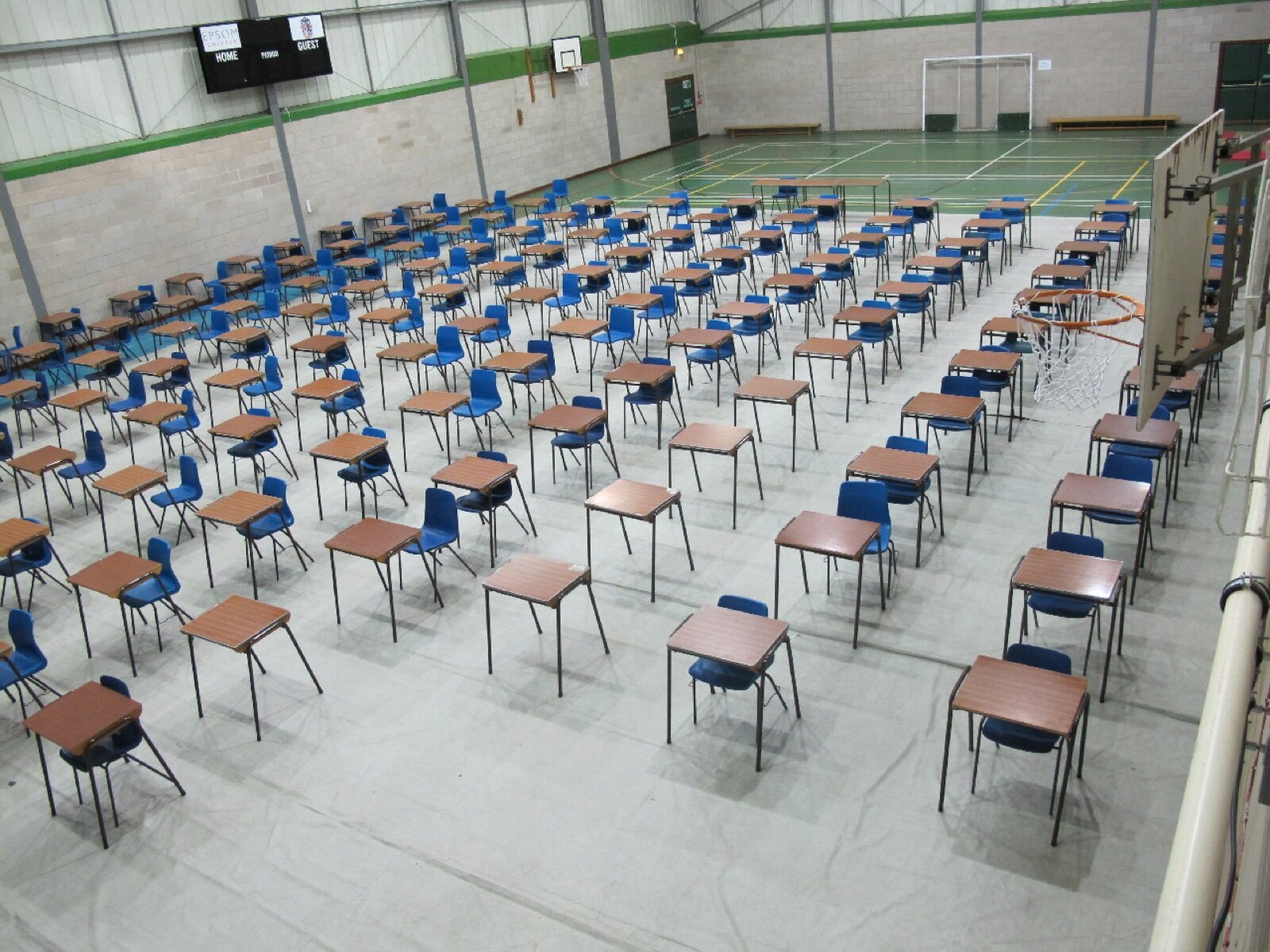
A mock is a full rehearsal: real past papers or papers written in the same style, sat in the exam hall under exam conditions, with invigilators, seating plans and the same rules on phones and equipment. Schools usually use past papers from the board your child is entered with (AQA, OCR, Pearson Edexcel or WJEC Eduqas), and teachers mark them against the board's mark schemes. Some schools apply the board's published grade boundaries; others set their own, because the full course has not yet been taught.
There is no national mock timetable and no rule that schools must hold them, but almost every secondary school does. Many run two rounds in Year 11, one in the late autumn or winter and a shorter one in February or March, and some also hold end-of-Year-10 exams in the summer.
When are GCSE mocks?
| When | What usually happens |
|---|---|
| June or July, Year 10 | End-of-year exams in many schools, sometimes called Year 10 mocks |
| Late November to January, Year 11 | Main mock series, often over one or two weeks |
| February or March, Year 11 | Second mocks or shorter papers in some schools |
| 21 February 2027 | Deadline for schools to enter students for summer GCSEs, including tiers |
| 21 March 2027 | Deadline for schools to process access arrangements |
| 10 May 2027 | First GCSE exam on the common timetable |
The 2027 dates come from the Joint Council for Qualifications; our page on GCSE exam dates 2027 has the full list.
What the mock results decide
Foundation or higher tier
Maths, combined and separate sciences and modern languages are tiered. Foundation papers cover grades 1 to 5; higher papers cover grades 4 to 9, with a grade 3 allowed in a narrow band below 4. A student entered for foundation cannot get above a 5, however well they do. Schools must enter students by 21 February 2027, so winter mock results usually settle the tier. If you think the tier is wrong, ask the subject teacher before February.
Predicted grades for sixth form and college
Most applications for sixth forms, colleges and apprenticeships starting in September are made during Year 11, long before results day. Providers rely on teachers' predicted grades, which draw heavily on mock performance, to make conditional offers. Offers are then confirmed or not on GCSE results day, Thursday 19 August 2027. Our guide to sixth form vs college explains the choices.
Access arrangements
If your child may need extra time, a reader, a scribe, rest breaks or a word processor, the school has to show that this is their normal way of working. Mocks are where that is tested and recorded. The deadline for schools to process arrangements is 21 March 2027, so raise any concerns with the school's SENCo in the autumn term; see our guide to SEND rights at school.
English and maths at grade 4
A grade 4 is the standard pass and a 5 a strong pass. Students who finish Year 11 without a grade 4 in English or maths have to keep studying the subject after 16. Mocks show early whether that is a risk.
How to help before the mocks
- Get the timetable early and put every paper on the family calendar, with the room and start time.
- Use the board's own past papers. Ask which board and specification each subject uses; past papers and mark schemes are free on the boards' websites.
- Short, regular sessions beat long nights. Retrieval practice (testing yourself, then checking) works better than rereading notes.
- Practise timing. Running out of time on the last questions is one of the most common reasons for lost marks.
- Keep sleep and food normal during mock week, and check the equipment list: calculator, clear pencil case, black pens.
What to do with the results
- Look past the grade. Ask for the marked papers or a question-level breakdown, and find the two or three topics that lost the most marks.
- Talk to each subject teacher at parents' evening or by email; our list of questions to ask at parents' evening helps.
- Agree a plan for the gap between mocks and May: what to revise, in what order, and any intervention sessions the school runs.
- Check the tier and access arrangements before the February and March deadlines.
- Keep perspective. A disappointing mock in December leaves about five months before the first exam. Many students improve by a grade or more with focused work.
Frequently Asked Questions
When are GCSE mock exams?
There is no national date. Each school sets its own, and most Year 11 mocks fall between late November and January, with some schools running a second round in February or March. Many schools also hold Year 10 mocks in the summer term. Ask the school for its calendar.
Do GCSE mock results count towards final grades?
No. Final GCSE grades come only from the summer exams and any coursework or non-exam assessment. Mocks are set and marked by the school, but they still matter, because they shape predicted grades, tier entries and sixth form or college offers.
Are mock exams harder than the real GCSEs?
Not by design, but they often feel harder because students sit them before the whole course has been taught and before full revision. Schools usually use past papers from the exam board, sometimes with their own grade boundaries.
What if my child does badly in their mocks?
Treat it as information. Ask each subject teacher which topics lost the most marks and what to do next. There are several months between winter mocks and the May exams, which is enough time to change a grade with focused revision.
Do colleges and sixth forms look at mock results?
Often, yes. Applications for September places are usually made in Year 11, before the real results, so sixth forms and colleges rely on predicted grades, which teachers base partly on mock performance. Final offers still depend on the August results.
Sources: JCQ, Key dates in the examination cycle, June 2027 examination series; Department for Education guidance on GCSE grading (grade 4 standard pass, grade 5 strong pass) and post-16 English and maths; exam board specifications for tiered GCSEs. Checked 17 October 2026. Back to the Schools Insight homepage.